
Primary Category: Cross-Border Leadership
Secondary Category: Organizational Drift
The Moment That Matters
Leadership style does not travel. Operating systems do — and most fail on arrival.
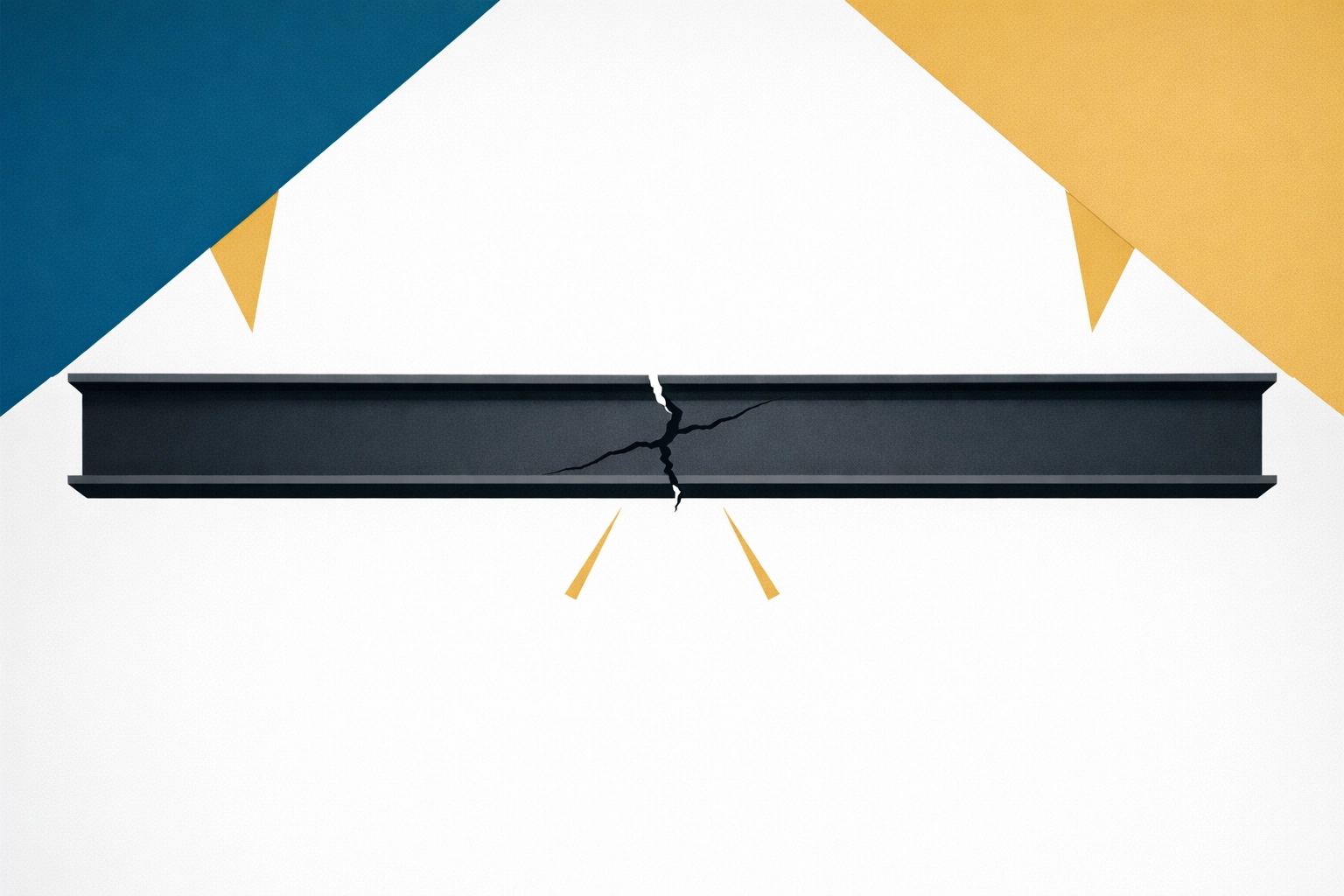
A European leadership model entering the U.S. market without a rewired operating system breaks under load. The failure is not cultural. It is structural. Elegance becomes drag. Drag becomes delay. Delay becomes value destruction. When leadership architecture cannot absorb speed, decision volume, and execution stress, the system shears.
Structural Integrity: Explicit vs. Implicit Clarity
European leadership norms rely on implicit clarity. These systems are built on history, shared context, and institutional memory. The operating blueprint lives inside the system. In the U.S., that is not enough. The market demands explicit clarity.
In the U.S., clarity is engineered into the structure. Decision rights are documented. Accountability is visible. Priorities are load-bearing, not implied. When a European leader enters this market, they over-rely on consensus mechanics built for stability, not speed. To a U.S. workforce, that reads as missing structure. Without a clear RQ Operating Model™, the leadership system takes on stress it was not designed to carry. The implicit becomes invisible. Teams start guessing. Execution slips. This is not interpersonal friction. It is a structural-layer failure.
Cadence Collision: Relational vs. Decision-Rights
Europe distributes pressure horizontally. The U.S. concentrates pressure vertically for speed. When a European cadence meets a U.S. load, the system shears.
The U.S. market runs on explicit decision rights, compressed cycle times, and visible accountability. Velocity is a structural requirement. When a European executive team scales into that environment with a consensus cadence, decision lag appears fast. Execution drag follows. Cumulative stress spreads across the enterprise. This is the Drift Tax™ in action. Drift Tax™ slows alignment. Speed Tax slows execution. Together, they suppress the multiple. The leadership team keeps stress-testing the same decisions because the original blueprint never locked.

Credibility Erosion and The Hidden Emotional Contract™
The most dangerous consequence of this mismatch is credibility failure. European leadership credibility is signaled by judgment, restraint, and social fluency. In the U.S., credibility is signaled by structural clarity, speed, and measurable output. Credibility does not erode slowly in the U.S. market. It collapses suddenly when clarity fails.
When a leader fails to provide the explicit blueprints the U.S. team requires, The Hidden Emotional Contract™ breaks down. The issue is not empathy. It is predictability. People do not know how decisions get made, what holds, or where authority sits under pressure. They read that as weakness in the structure. The European leader reads U.S. intensity as overreach. Both interpretations miss the real issue. The architecture is wrong for the load. The RQ System™ is the structural backbone here: leadership alignment, decision rights, operating cadence, role clarity, and accountability. When that backbone is not rebuilt for the local market, the enterprise fails under ordinary stress.
The CEO Test: Is Your Operating System Fracturing?
Use this as a structural diagnostic, not a leadership reflection exercise. If you answer "yes" to two or more, the system is already under load.
- Load Transfer Failure: Do key decisions stall the moment the senior leader exits the room or the call ends?
- Blueprint Ambiguity: Does your U.S. team treat "alignment" as permission-seeking because authority and decision rights are not explicit?
- Re-Litigation Pattern: Are decisions resurfacing in new meetings because they were never structurally locked the first time?
- Cadence Fracture: Are timelines expanding even though scope, talent, and capital have not materially changed?
- Credibility Shear: Has internal language shifted from targets and ownership to explanations, qualifiers, and defensive narratives?

The Punchline
Elegance that cannot carry load is not sophistication. It is liability. In the U.S. market, any leadership model that fails stress-testing around clarity, decision rights, and execution speed will suppress valuation and increase the probability of failure.
The fix is not style adaptation. It is structural redesign. The RQ Diagnostic™ identifies where the system is taking on stress. The RQ Operating Model™ hardens the blueprint. The RQ Roadmap™ sequences the rebuild. If you do not reset the architecture, the cost of coordination will outrun the value of expansion. This is a structural deficit with valuation consequences.
Close
If the architecture cannot carry the load, the market will expose it.
If you’re facing this moment, the next step is a 30-minute clarity call.
Leave a Reply