Growth-stage CEOs often reach a point where the very intuition that built the company begins to stifle it. This transition from visionary founder to institutional leader is rarely a matter of effort; it is a matter of infrastructure.
The Intuition Trap
In the early stages of a venture, the founder is the central processing unit. Every decision, from product features to office furniture, passes through a single set of values and a single point of view. This centralization is an asset during the "zero to one" phase. It ensures speed and a cohesive brand DNA.
However, as the organization scales toward the mid-market or prepares for a private equity exit, this asset transforms into a liability. The founder’s presence becomes a bottleneck. When a visionary relies solely on "gut feel" rather than established systems, the organization experiences what we call Organizational Drift.
This drift occurs because the team cannot replicate the founder's intuition. Without a clear RQ™ Operating Model, the staff begins to guess what the founder wants.
This leads to "Shadow Decisions": choices made in the dark to avoid conflict or perceived misalignment. The cost is a loss of enterprise value and a workforce that feels perpetually off-balance.
The Hidden Emotional Contract™
The struggle to build leadership infrastructure is not merely a structural failure. It is deeply rooted in The Hidden Emotional Contract™. This is the unwritten set of expectations regarding trust, safety, and identity between a founder and their executive team.
For many visionaries, the company is an extension of their personal identity. Relinquishing control feels like a loss of self. When a founder refuses to delegate decision rights, they are often protecting their sense of significance rather than the health of the business.
The team, in turn, feels a breach of this contract. They were hired for their expertise but find themselves sidelined by the founder’s need to remain "in the weeds." This creates a culture of learned helplessness. Leaders stop leading because they know the founder will eventually override them.

(Image suggestion: https://cdn.marblism.com/0T-Mif2vPCt.png – The handshake symbolizes the restoration of trust and the realignment of the executive contract.)

The Structural Gap: RQ™ System as the Source Code
To move beyond the founder's burden, an organization must implement a hard system that governs behavior. We refer to this as the RQ™ System. It serves as the intellectual spine for successful transformation.
Most scaling firms focus on tactical HR: payroll, benefits, and compliance. These are necessary but insufficient for growth. True infrastructure requires three canonical pillars:
- RQ™ Diagnostic: A rigorous assessment of where the leadership system is quietly destroying value.
- RQ™ Operating Model: The blueprint for decision rights, accountability, and operating cadence.
- RQ™ Roadmap: The sequence of interventions required to move from a founder-centric model to a professionally managed enterprise.
Without these components, the organization remains in a state of "Re-litigation." This is a diagnostic signal where decisions are made in meetings only to be questioned and reversed in private conversations later that day. It is a hallmark of a weak leadership architecture.
Why Visionaries Resist the Architecture
Visionaries often view "infrastructure" as a synonym for "bureaucracy." They fear that layers of management and documented processes will kill the creative spark that made the company successful.
The opposite is true. Proper leadership infrastructure provides the guardrails that allow creativity to flourish safely. When a CEO uses the RQ™ Diagnostic to identify signals like "Decision Fatigue" or "Role Blur," they are not adding red tape. They are clearing the path for their high-performers to execute without constant interference.
When infrastructure is absent, the founder’s burden increases. They find themselves refereeing petty disputes between departments or re-explaining the vision for the hundredth time. This is a poor use of a visionary's time.

Diagnostic Signals of Infrastructure Failure
If you are a growth-stage CEO, you may already be seeing the signals of a failing leadership system. These are not personality flaws; they are system failures.
- The Heroic Bottleneck: You are the only person who can solve high-level problems. If you take a week off, the company's progress halts.
- Drift Tax™: Projects take twice as long as they should because of a lack of clarity on who owns the final "yes."
- High-Performer Attrition: Your best leaders leave for competitors where they have more autonomy and a clearer mandate.
- Strategic Stagnation: You spend 90% of your time on "fires" and 10% on the future.
These signals indicate that the organization has outgrown its current operating model. The "Founder Effect": where the leader's personality dictates the culture: is no longer enough to sustain the weight of the enterprise.
Moving Toward the Architect Phase
The transition requires the founder to shift roles. You must move from being the primary operator to being the primary architect.
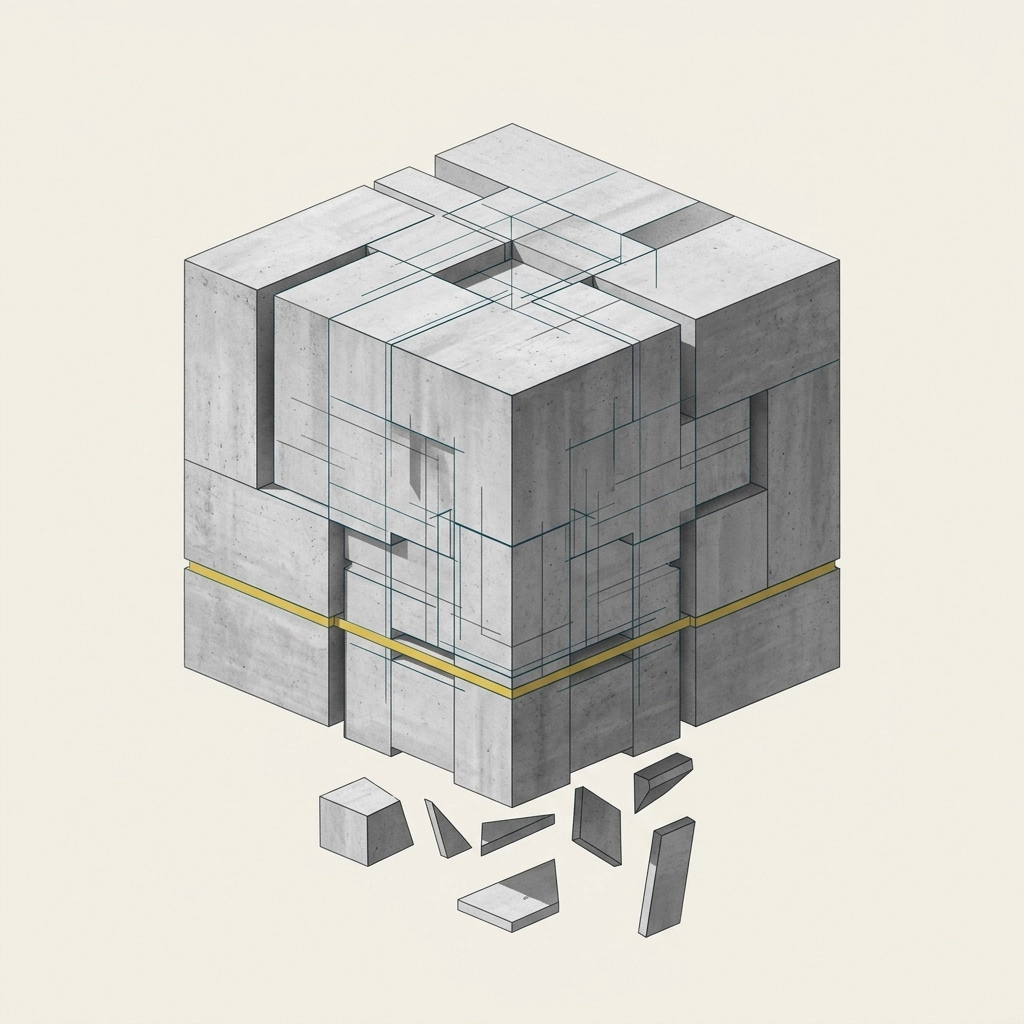
An architect does not lay every brick. They design the system that ensures the bricks are laid correctly, even when they are not on the job site. This requires a commitment to the RQ™ Operating Model.
It means defining decision rights with clinical precision. It means establishing an operating cadence that replaces ad-hoc "syncs" with disciplined, data-driven reviews. It means honoring The Hidden Emotional Contract™ by providing your team with the dignity of ownership.

The Commercial Stakes
For growth-stage companies, the stakes are financial. In a private equity context, leadership infrastructure is a primary driver of the multiple. A firm that is entirely dependent on its founder is a high-risk asset. A firm with a robust leadership system: a "Leadership OS": is a scalable, resilient enterprise.
Rinnovare specializes in this transition. We stabilize the leadership system, reset expectations, and rebuild trust. We do this by addressing the structural (RQ™) and emotional (The Hidden Emotional Contract™) issues simultaneously. Transformation fails when leaders focus on one and ignore the other.
The Path Forward
Building infrastructure does not mean losing your vision. It means giving that vision a body that can move without you. It is the difference between a project and a legacy.
If you find yourself carrying the burden of every decision, it is time to audit the system. The diagnostic signals are already there. Ignoring them only increases the Drift Tax™ and erodes the value you have worked so hard to create.
If you’re navigating the transition from founder-led to professionally managed, the next step is a 30-minute clarity call.
We help visionaries build the architecture their vision deserves.
Primary Category: CEO Advisory
Secondary Category: Organizational Drift
Contact Rinnovare: https://rinnovarehr.com/contact

Leave a Reply